


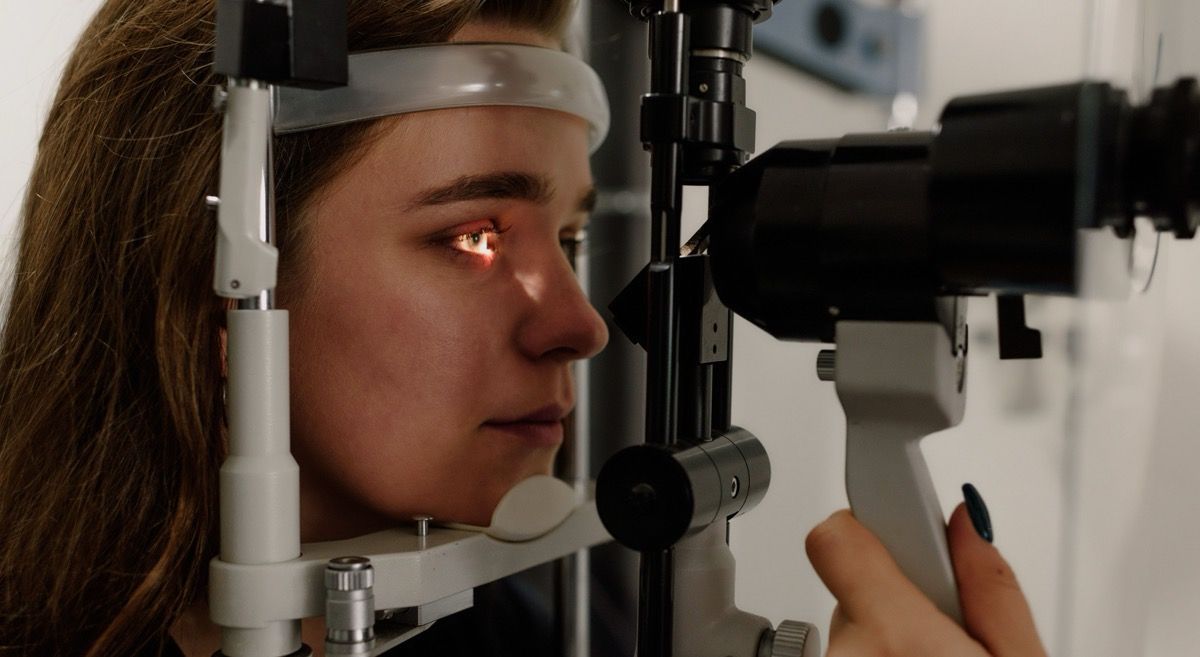
A comprehensive eye exam can reveal early signs of serious health conditions. Learn how vision insurance helps cover exams, glasses, and contact lenses.

Enhanced premium tax credits expired in 2026, bringing back the subsidy cliff. Here's what changed, who it hits hardest, and how to weigh your options.

Research on aging and happiness keeps turning up the same surprising pattern. Here's what the science actually shows, and how to apply it at any age.

Thinking about a wheelchair or mobility scooter? Learn what Medicare covers under Part B, what your doctor must document first, and how to avoid a denied claim.

Most health plans cover checkups, screenings, vaccines, and more at no cost to you. Learn which preventive services are free and how to avoid surprise bills.

Struggling with Medicare costs? Learn about Medicare Savings Programs, Extra Help, and other programs that can lower your premiums and drug costs.

Health insurance covers medical bills, but disability insurance protects your paycheck. Learn how short- and long-term coverage works and why it matters.

From reviewing your health coverage to packing your medications, here are 8 practical tips to keep you healthy and confident while traveling this summer.

Where you go for care can affect your bill by thousands. A practical guide to choosing between the ER, urgent care, telehealth, and your primary care doctor.

Struggling to afford your ACA plan? Learn your options before canceling, including subsidies, plan changes, and why speaking with an agent can help.